
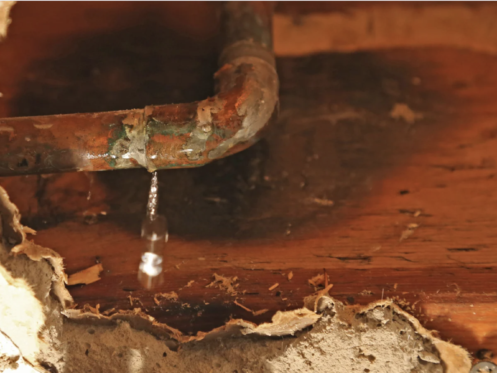
Plumbing calls tend to pick up across the High Desert once summer temperatures settle in, and it is not a coincidence. Triple-digit days paired with cooler nights create a daily cycle of expansion and contraction that most home plumbing was never designed to handle indefinitely. The strain builds slowly over the course of a season rather than showing up all at once, which is part of why so many homeowners are caught off guard by a leak in July or August. Understanding what is actually happening to your pipes during these swings makes it easier to catch a problem before it turns into standing water on your kitchen floor.
Why The Daily Temperature Swing Is the Real Culprit
A day that hits 105 degrees and drops to 65 by early morning puts pipes, fittings, and seals through a stretch and contract cycle every single day for months. Metal pipes expand as they heat up and contract again as they cool, and that repeated movement gradually loosens joints and stresses connections that were tight when the home was built. Plastic components, like the seals inside a water heater or the flapper in a toilet tank, are affected too, since heat accelerates the breakdown of rubber and plastic materials over time. A connection that could handle occasional temperature changes without issue starts to wear down faster once it is subjected to that cycle day after day for an entire summer.
This is different from a single hot day causing damage. It is the accumulation of thousands of these cycles across a long, hot summer that eventually causes something to fail, which is why the problem tends to show up gradually rather than all at once.
Where the Strain Shows Up First
Not every part of your plumbing handles summer heat the same way, and a few common trouble spots tend to show problems before the rest of the system does.
Outdoor and exposed plumbing takes the most direct hit, since irrigation lines, hose bibs, and any exposed pipe running along an exterior wall absorb heat directly from the sun in addition to the ambient air temperature. A fitting that was already slightly worn can crack under that added stress, sometimes showing up as a wet patch of lawn long before anyone notices a drop in water pressure indoors.
How Your Pipes Are Affected
Pipes running beneath a slab foundation face a quieter version of the same problem. The soil surrounding those pipes also expands and contracts with heat and moisture changes, and that shifting ground puts pressure on joints that have no visible warning sign until a slab leak develops. Because the pipe is hidden under the floor, the first clue is often a warm spot on the tile or an unexplained rise in the water bill rather than anything visibly wrong.
Water heaters work harder in summer too, even though it seems like the opposite should be true. Higher incoming water temperatures and increased demand from more frequent showers can accelerate wear on tank components, and a unit already dealing with sediment buildup from hard water is more likely to develop a leak at the base during the hottest months.
What Homeowners Can Do About It
You cannot change the daily temperature swing, but you can pay closer attention to the signs that heat-related stress is starting to cause a problem. A rising water bill without an obvious explanation, a warm spot on the floor, or dampness around an outdoor spigot are all worth checking out rather than waiting to see if they go away on their own. It also helps to walk your property occasionally during the hottest stretch of summer, checking hose bibs, irrigation connections, and any exposed pipe for cracking or wear before it turns into a full leak. Catching a cracked fitting or a small slab leak early is a straightforward repair. Waiting until it is obvious usually means more water damage and a bigger job.
Trust Red Rocket With Your Plumbing Needs
If you are noticing any of these signs, Red Rocket Plumbing offers water leak detection to track down the source before it causes further damage, along with slab leak repair for leaks confirmed to be running beneath your foundation. If the culprit turns out to be your water heater, our water heater repair team can take a look at that too. Reach out through our contact page to schedule a visit before the summer heat causes bigger problems.
